
Professional Home Inspection Services You Can Trust
Whether you’re buying your first home, upgrading to a new one, or preparing to sell, a home inspection should provide clear information and peace of mind.
As a certified InterNACHI inspector, I follow established Standards of Practice and carefully evaluate the home’s major systems and components. My goal is to identify significant concerns, maintenance items, and conditions that may require attention in the future.
After the inspection, you’ll receive a detailed Spectora report, typically the same day or within 24 hours. Each report includes clear descriptions, photos, and videos to help you understand the property’s condition. If questions come up after you’ve reviewed the report, I’m always available to discuss the findings and provide additional clarification.
Frequently Asked Questions
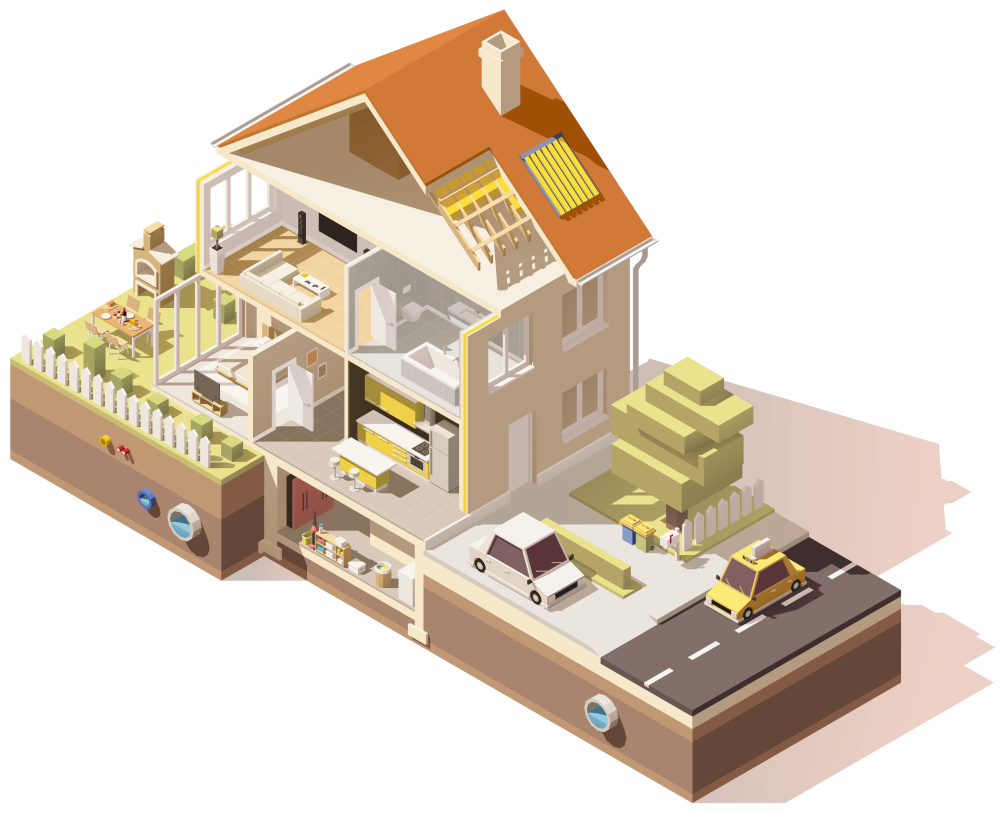
A home inspection is a thorough visual examination of a property’s accessible systems and physical components, from the foundation to the roof. The goal is to give buyers and sellers an objective, factual look at the condition of the home so they can make well-informed decisions.
Pricing depends on the size of the home and the services included. I keep my pricing clear and up-front so there are no surprises. Visit our Services page or reach out directly for a quick quote.
Most home inspections run between two and four hours. The actual time depends on the size of the property, the number of systems involved, and the accessibility of areas like the attic, crawl space, and roof.
Attending the inspection is entirely optional. If you’d like to attend, I recommend joining me near the end of the inspection. At that time, I can review my key findings, answer questions, and point out any significant concerns or maintenance items. Whether you attend or not, you’ll receive a thorough report and I’m always available to discuss the findings afterward.
No home is without some level of wear or imperfection. The report is designed to give you a factual picture of the property’s condition, not to pass or fail it. What you do with that information is up to you and your agent. Some findings may be worth negotiating over, others may be minor enough to accept as-is. I’m happy to help you consider what the findings mean for your specific situation.
5 Benefits of a Home Inspection
Stronger Negotiating Position
When you have a detailed inspection report in hand, you're better equipped to negotiate. Buyers can request repairs or price adjustments based on documented findings, and sellers can use a pre-listing inspection to justify their asking price with confidence.
A Clearer Picture of Safety
An inspection looks at the things that matter most to your family's wellbeing: electrical systems, structural concerns, carbon monoxide risks, and more. Knowing what's there lets you make informed decisions before you commit.
Planning for Future Costs
I can point out systems and components that are working fine today but may be nearing the end of their useful life. That gives you a realistic picture of what ownership will look like and helps you plan your budget accordingly.
Confidence for Sellers
A pre-listing inspection shows buyers you're not hiding anything. That kind of transparency builds trust and can help your transaction move faster with fewer complications at the finish line.
Peace of Mind
There's real value in knowing exactly what you're dealing with. Whether you decide to move forward, renegotiate, or walk away, an inspection gives you the facts to make that call without second-guessing yourself.
What's Included in a Home Inspection?

Roof
Roof coverings, gutters, downspouts, vents, flashing, skylights, chimneys, roof penetrations, and the general structure of the roof.
Attic, Insulation & Ventilation
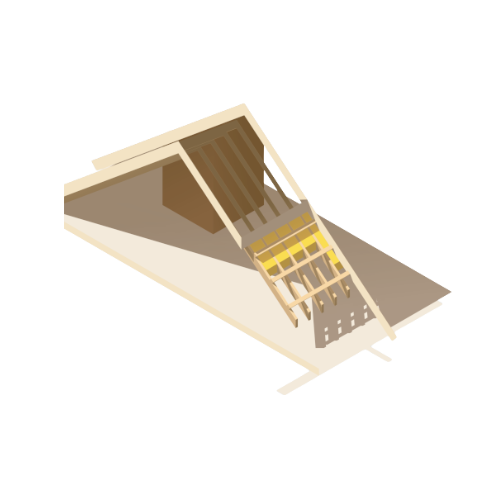
Insulation and ventilation of unfinished spaces, including attics, crawl spaces, foundation areas, and exhaust systems.
Exterior
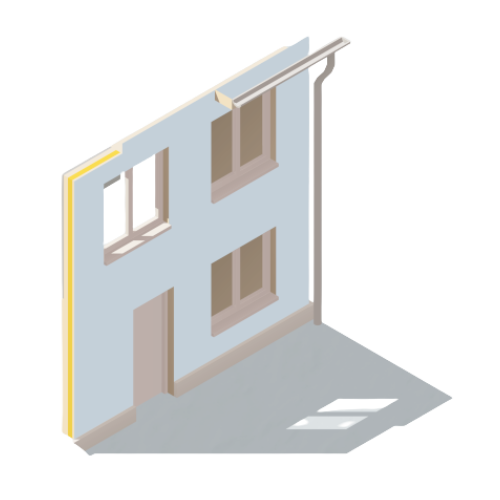
Siding, windows, exterior doors, flashing and trim, walkways, driveways, stairs, patios, decks, and drainage.
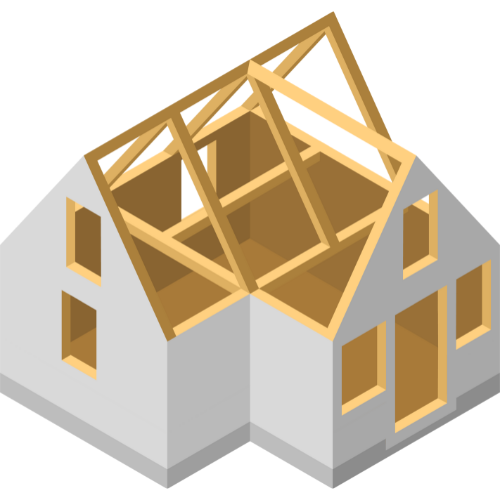
Basement, Foundation, Crawlspace & Structure
Foundation movement, cracks, structural concerns, and indications of water penetration.

Cooling
Cooling system, location of thermostat, energy source, and cooling method.
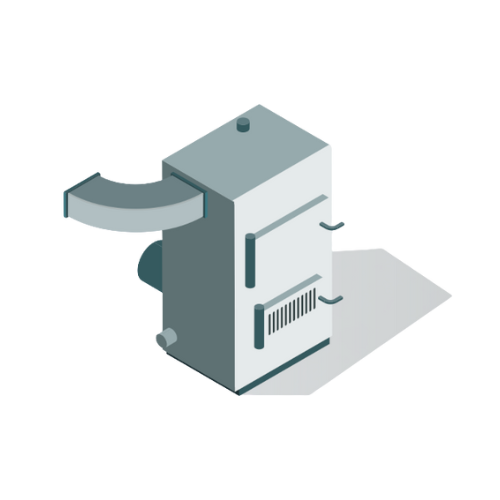
Heating
Heating system, location of thermostat, energy source, and heating method.
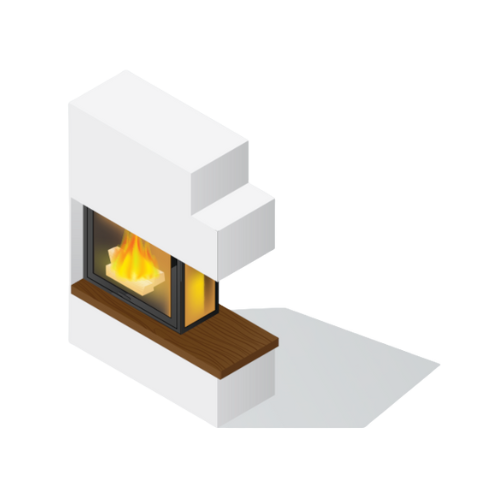
Fireplace
Visible portions of the fireplace and chimney, lintels, damper doors, and cleanout doors and frames.
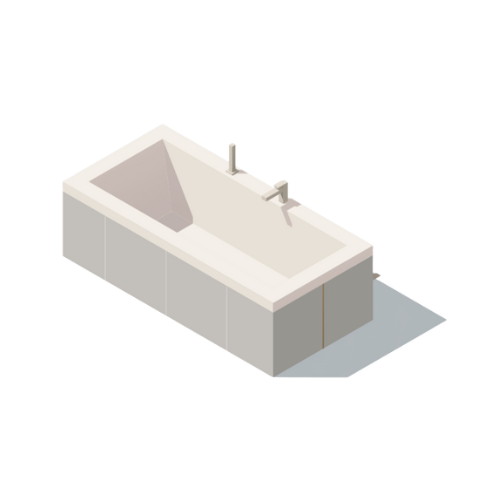
Plumbing
Main water and fuel supply shut-off valves, water heater, interior water supply, toilets, sinks, tubs, showers, and drain, waste, and vent systems.
Electrical
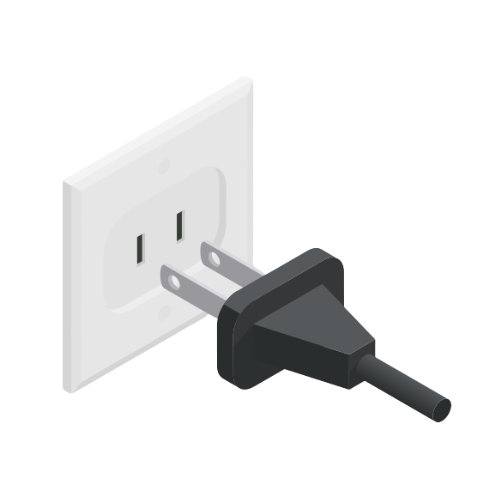
Service drop, overhead service conductors, service head and mast, main service disconnect, panelboards, grounding, switches, light fixtures, receptacles, AFCI and GFCI protection, and smoke and carbon monoxide detectors.
Appliances
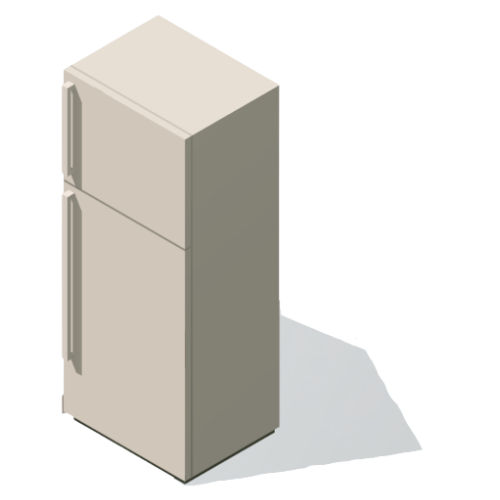
Dishwasher, disposal, range, oven, microwave, refrigerator, exhaust fans, bathroom heater, garage door opener, doorbell, and dryer vent.

Doors, Windows & Interior
Representative number of doors and windows, floors, walls, ceilings, stairs, railings, and garage doors.
